

Future Trends in Hotel Management Software in India
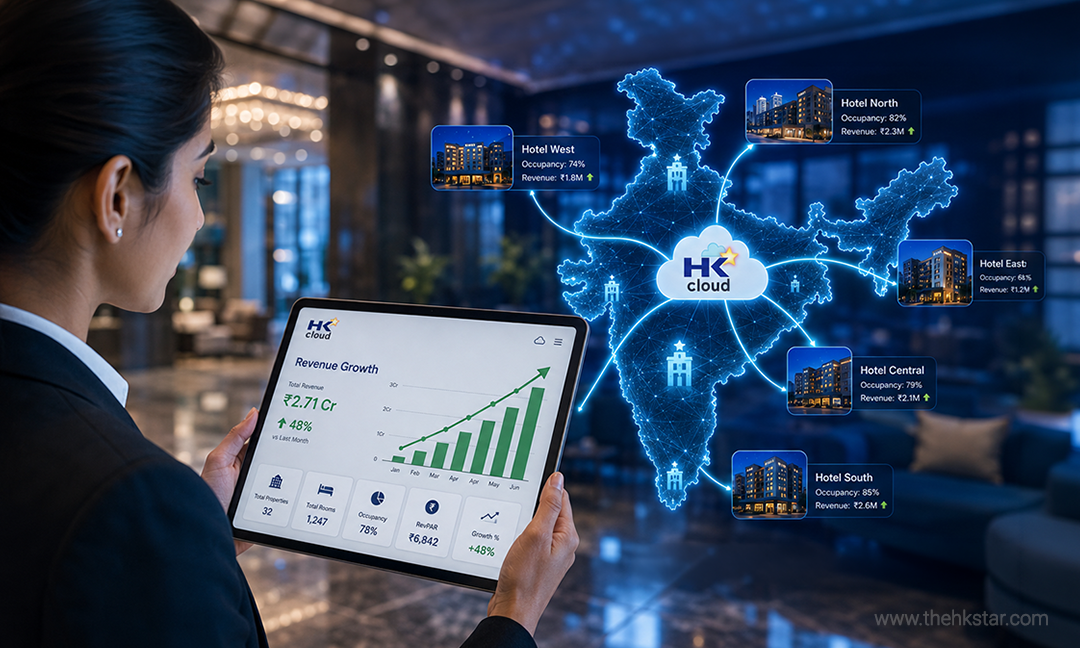
The hospitality industry in the nation is rapidly evolving, and it is not just about more visitors; it is also about what those visitors now anticipate. The same things are desired by guests staying in a commercial hotel in Gurugram or a heritage haveli in Jaipur: prompt confirmations, little hassle, and personalized rather than formal treatment. A logbook and a legacy desktop system simply can’t keep up anymore.
That’s why hoteliers across the country are rethinking their tech stack. Using cutting-edge hotel management software in India is now essential for maintaining profitability and competitiveness. Here are the key emerging trends redefining the hospitality tech ecosystem in India.
1. AI-Driven Dynamic Pricing and Revenue Intelligence
Static room tariffs are becoming obsolete. In order to assess local demand, market trends, local festival schedules, and competitors’ prices in real time, modern hotel management software in India uses artificial intelligence (AI).
Automated Rate Adjustments: To optimize RevPAR (Revenue Per Available Room), automatically modify room rates during busy times of the year including long weekends.
Predictive analytics: Easily predict future occupancy rates by examining past visitor booking trends.
2. Dominance of Cloud PMS and Mobile Accessibility
Indian hoteliers are moving away from heavy on-premise hardware in favor of agile Cloud PMS systems. A general manager managing three properties in two cities may check billing, room status, and staff activity from a phone while seated in an airport lounge. On-premise systems simply did not provide for that kind of flexibility.
3. Seamless Integration with Direct Booking Engines
Nobody likes to give an OTA a large commission. This is encouraging more hotels to incorporate a hotel booking engine into their own websites, one that allows visitors to make immediate, commission-free reservations and supports regional payment processors. It is a minor technological improvement that has a significant financial impact.
4.GST Billing and Regulatory Compliance
Platforms are increasingly equipped with GST hotel billing software that manages several tariff slabs, creates compliant bills, and maintains clear audit trails for GSTR reporting. Although it is not as flashy as AI pricing, it is probably just as crucial to maintaining efficient operations.
5. Contactless Guest Experience & IoT Integration
It used to seem futuristic to have self-check-in kiosks, mobile room keys, and IoT-enabled rooms where visitors could buy room service or control the lights and air conditioning directly from their phones. These days, visitors—especially younger, tech-savvy tourists—quickly come to expect it.
Where This Is All Heading
In the coming years, hotels that view technology as essential infrastructure rather than an add-on will probably be the most successful. Not only can real-time data, cloud-native technologies, and intelligent automation reduce expenses, but they also provide visitors with a more seamless and enjoyable stay while restoring owners’ peace of mind. Instead of following a trend, upgrading to next-generation hotel management software systems in India is catching up to the current level of guest expectations.