

Why Every Modern Dining Business Needs Restaurant Management Software
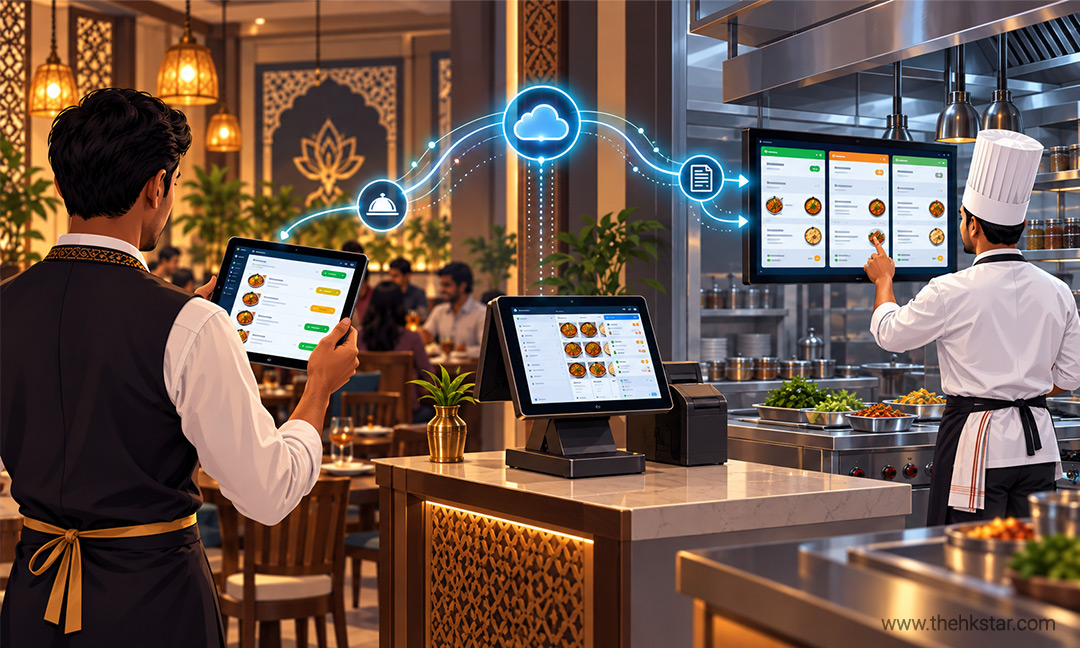
Running a successful dining or hotel establishment today demands far more than just delicious food and a welcoming atmosphere. How quickly tables are turned over, how well the kitchen communicates with the front of house, how quickly a bill is issued, and whether anyone is actually keeping an eye on the inventory. These are all examples of what goes on behind the scenes to keep a dining establishment operating efficiently and financially. If you ignore any of that, you risk billing errors, sluggish service, and money seeping out of the company. This is actually the situation when it comes to using appropriate restaurant management software. It is no longer a nice-to-have; it is now standard equipment at busy cafes, upscale restaurants, and hotels with their own food and beverage departments.
Faster billing means happier guests
During a dinner rush, nobody likes to wait at a counter for a bill. That is nearly instantly fixed with a good point-of-sale system; bills are sent out quickly, different payment methods are accepted without any problems, splitting a check for a large table takes seconds, and GST is computed automatically rather than by hand. There are fewer mistakes and unpleasant checkout waits.
The kitchen actually knows what’s going on
A significant portion of restaurant errors, such as incorrect dishes, forgotten orders, and cold food, are caused by poor communication between the kitchen and servers. That entire issue essentially vanishes when orders are submitted digitally as soon as they are placed. The kitchen maintains a consistent pace rather than being overloaded all at once, waitstaff can concentrate on the customers rather than chasing tickets, and staff can monitor where an order is in the cooking process.
Knowing exactly what’s happening with your tables
Optimizing seating capacity is direct revenue management. Modern solutions provide a visual layout of which tables are occupied, which are being cleaned, and which are reserved. This enables staff to manage walk-ins and reservations seamlessly
and prevent the embarrassing double-booking issue. This goes even further for hotels with integrated room service software. Rather than being handled separately, restaurant fees can be transferred directly to a guest’s room folio.
Keeping menus and stock under control
To maintain the profit margin, managing food costs is essential. The menu is kept up to date in real time by the ability to rapidly change prices, substitute seasonal foods, or designate items as sold out across all outlets. The same is true for inventory: keeping track of what is actually being used reduces unexpected shortages and wasted stock, and if there are many outlets or bar counters, they can all be managed from one location rather than juggling multiple systems.
Actually seeing what’s working
It is dangerous to operate a restaurant solely on intuition. Real reporting makes it much simpler to identify the busiest hours, the dishes that are performing well and those that aren’t, and the performance of certain employees or shifts. Having that level of insight across accommodation and dining combined is particularly beneficial for hotel operations in terms of planning.
Bottom line
Even the best restaurants will lose time, money, and guest patience if they do not have the proper protocols in place. If you want to remain competitive, having a strong cloud-based hotel management software that upgrades dining operations is no longer optional. An integrated restaurant management software empowers your team to minimize operational delays, optimize food costs, and deliver unforgettable guest experiences.