

The Peak -Weekend Overbooking Crisis: Fixing Two-Way Availability with Hotel Reservation Management System Automation
For hoteliers, nothing is more intimidating than realizing that a room has been booked twice through different online travel platforms. It is Friday night, and a line of customers is there at the front desk. Unfortunately, one of them will have to be accommodated elsewhere, and that will not provide a pleasant exchange. It results in frustrated guests, stressed staff, negative online reviews, and financial loss due to emergency accommodations or refunds.
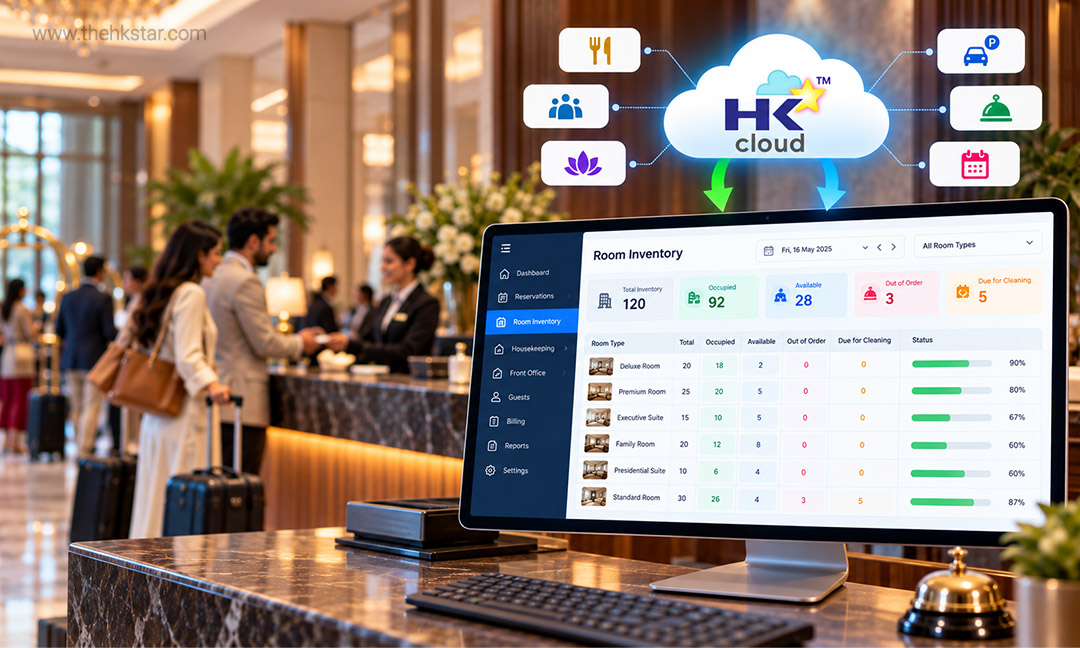
During peak weekends, the skyrocketing demand makes it unfeasible to update room availability manually on various platforms. This creates an operational blockage that leads to an overbooking crisis. The solution lies in real-time, two-way availability synchronization, efficiently managed by a robust hotel reservation management system.
Identifying the Core Issue: The Causes of Overbooking in High-Demand Times
Traditional hotel operations often depend on slow batch updates or manual input. On quieter days, employees can keep track of room availability across different booking platforms by making manual adjustments. Nevertheless, during busy weekends, several challenges arise simultaneously.
Delayed Channel Synchronization:
A room is booked on one site, but another may still show it as available for several minutes. This creates an opportunity for another guest to make a reservation.
Walk-in guests are not recorded swiftly:
If a booking made at the front desk is not uploaded to the cloud immediately, inventory won’t reflect the actual situation.
Human Errors in High-Pressure Situations:
Front-desk workers processing a large volume of check-ins may not be able to update third-party external systems quickly enough.
To address these issues, hoteliers in India and across the globe are moving towards automated solutions that instantly synchronize room availability throughout all channels.
What is Two-Way Availability Synchronization?
Two-way availability synchronization guarantees smooth, immediate communication between your property’s internal management software and external sales platforms.
Outgoing Updates:
When a guest makes a reservation on your site or at the front desk, your online hotel reservation system instantly adjusts availability across all linked OTAs.
Incoming Updates:
If a booking is made on an external site, it effortlessly updates your main inventory and front-desk schedule right away.
This bi-directional process ensures your availability remains completely accurate at all times, completely removing the issue of double bookings.
Major Advantages of Automating Two-Way Availability
Utilizing a contemporary, cloud-based hotel management software in India enables hotels, resorts, and boutique establishments to convert the chaos of peak weekends into predictable income.
No Double Bookings:
Avoid unfortunate guest walkouts, fees from OTAs, and harm to your brand’s reputation.
Optimized Occupancy and Revenue:
Confident hoteliers can comfortably sell their last available room without the worry of unintentional overbookings.
Effortless Multi-Department Collaboration:
Unified systems connect reservation monitoring directly with housekeeping and front-desk operations, allowing real-time notifications for room readiness.
GST-Compliant Financial Invoicing:
Streamlined reservation processes connect seamlessly to automated, GST-compliant invoicing and reporting.
Conclusion
Overbooking isn’t merely an occupational hazard. Often, it signals that your tools are insufficient to keep pace with your reservation demands. Modern hotel management software in India features real-time, two-way availability synchronization. It helps you to enhance the guest experience, safeguard your online reputation, and mitigate revenue loss during your busiest periods.