

Essential Features Every Hotel Management System Should Have
In today’s hospitality environment, it takes much more than simply greeting guests with a smile to run a successful hotel, resort, or boutique property. Massive operational friction, billing problems, and expensive double bookings stem from outdated paper ledgers, disjointed desktop programs, and fragmented departmental logs.
Hoteliers need to implement a robust, unified digital ecosystem to sustain high occupancy rates, protect direct revenue, and deliver flawless guest experiences.
By converting administrative tension into unwavering digital dependability, selecting the best hotel management system revolutionizes the daily operations of your establishment.
The essential features of any contemporary hotel management system are listed below.
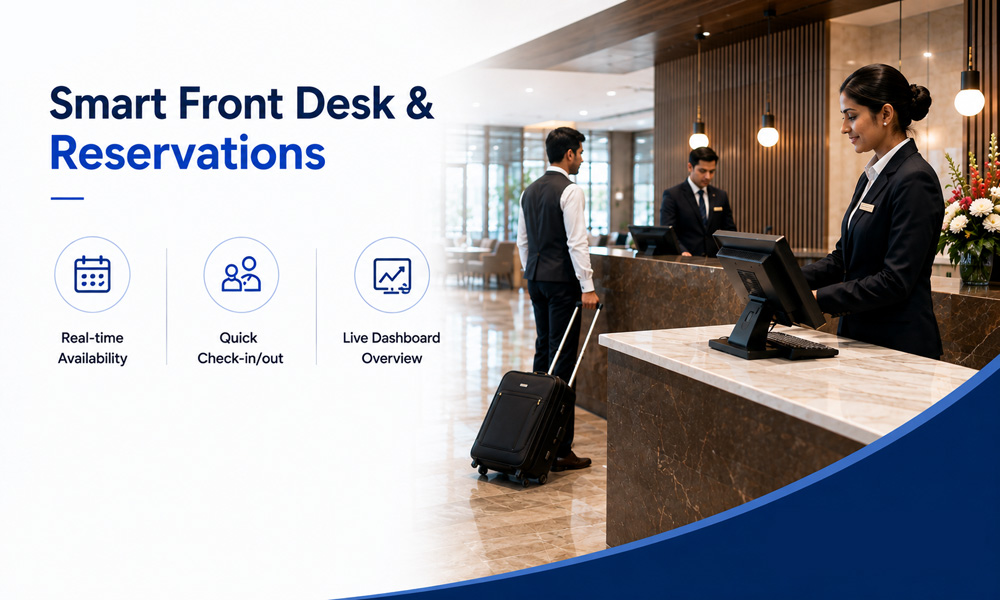
1. Smart Front Desk & Automated Reservation Management
The front desk is the nerve center of any hotel. A real-time digital dashboard that displays live room availability, occupancy statuses (occupied, vacant, or requiring cleanup), and quick check-in/check-out operations is essential for an efficient system. By taking a quick look at the most recent room assignments, it reduces wait times for guests by speeding up front desk registration.
2. Integrated Commission-Free Direct Booking Engine
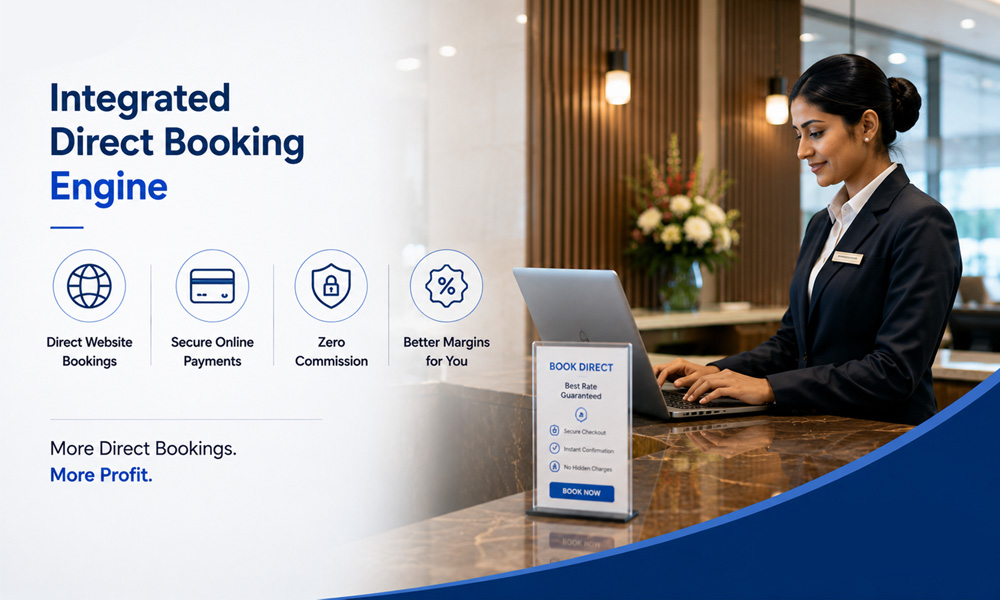
Due to high commission costs, relying exclusively on third-party Online Travel Agencies (OTAs) reduces profit margins. An integrated hotel booking engine that links directly to your website is a feature of a top-tier system. It converts direct website traffic into confirmed, commission-free stays and processes secure online guest payments via e-wallets, credit cards, or debit cards directly into your bank account.
3. Real-Time Channel Manager Integration
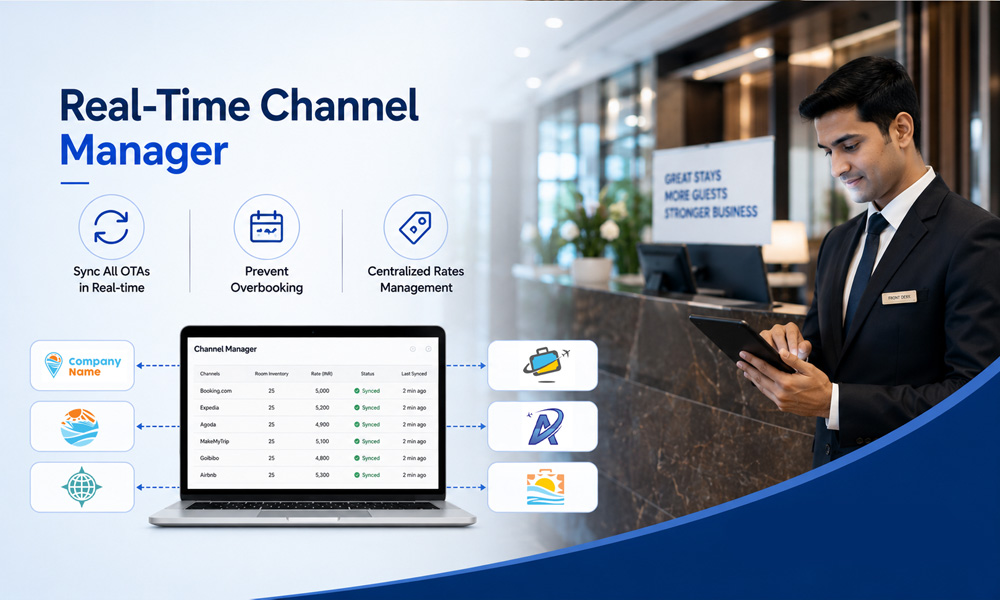
Unintentional double bookings result from manual room updates across several booking systems. Room inventory is synchronized in real time across all connected OTAs by an automated channel manager software.
To avoid overbooking, as soon as a room is reserved on your website, it instantly updates all third-party channels. An automated rates management system simultaneously modifies seasonal pricing for every channel from a single central panel.
4. Zero-Leakage Departmental Billing & POS Sync
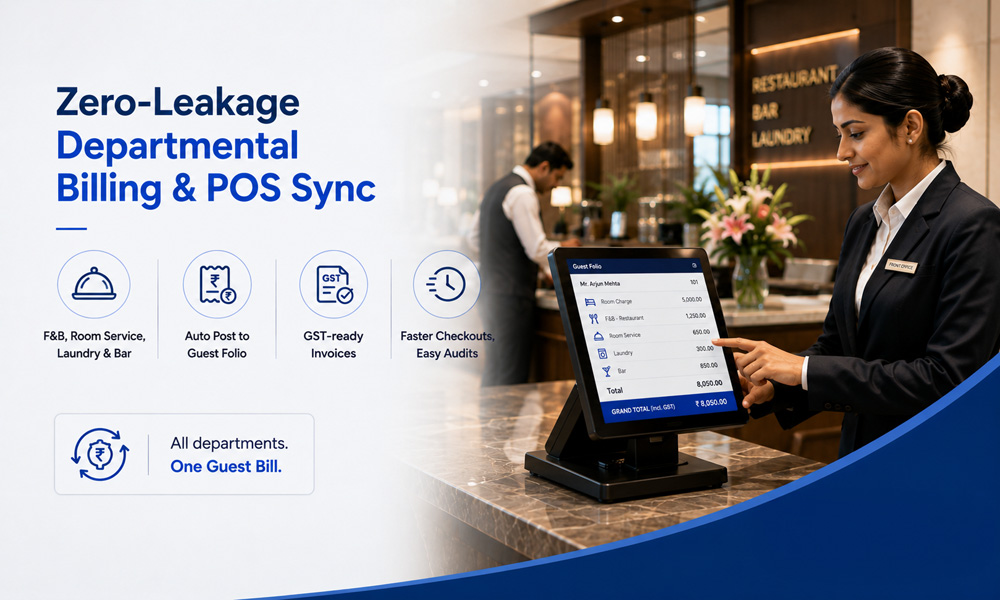
Unbilled guest expenses at checkout are among the most expensive operational errors. All sub-departmental Point-of-Sale (POS) locations must be immediately connected to the central master bill via your software.
F&B, room service, laundry, and bar orders are all automatically sent to the guest’s folio through unified billing. To expedite checkouts and simplify financial auditing, the automated billing system instantly generates clear, GST-ready invoices.
5. Automated Housekeeping & Room Status Coordination
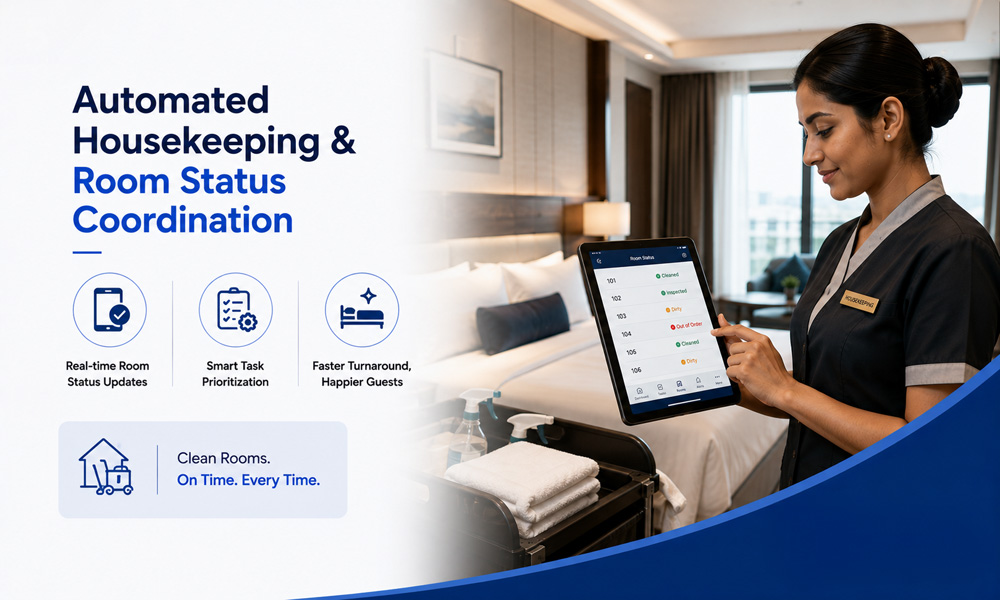
Room turnaround times are significantly decreased when there is clear communication between the housekeeping and front desk staff.
Using tablets or mobile devices, housekeeping personnel provide real-time updates on the status of rooms, including whether they have been cleaned, inspected, or are out of order. Depending on when new guests check in, housekeeping managers can set priorities for cleaning rooms.
6. Live Cloud Analytics & Reporting Dashboards
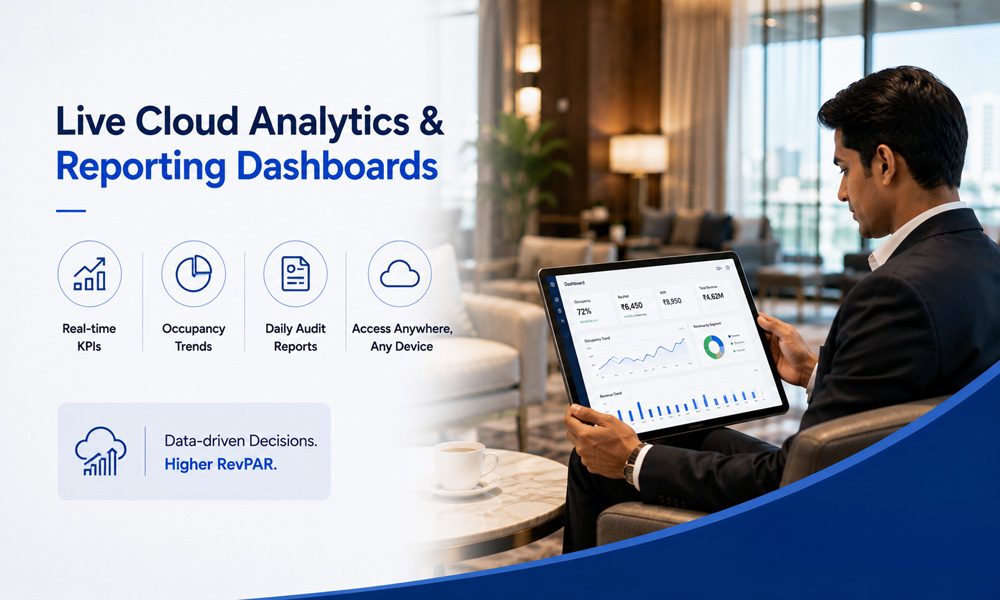
To maximize Revenue Per Available Room (RevPAR), data-driven decisions are crucial. Slow spreadsheets are replaced with real-time, cloud-based reporting tools in modern systems. It provides real cloud freedom by granting access to performance KPIs, occupancy trends, and daily audit reports from any device, anywhere in the world. Even during peak seasons, it applies dynamic pricing methods based on past occupancy statistics.
Conclusion:
It is now a necessary operational upgrade to switch to a feature-rich, cloud-native property management system like HK Star Cloud. Hoteliers can fully remove administrative friction, safeguard their revenue, and concentrate on providing outstanding guest hospitality by combining front desk reservations, direct web bookings, channel syncing, and departmental billing into a single unified digital brain.